Every month, hundreds of Pediatrics residents learn, revise, and strengthen their concepts through Conceptual Pediatrics. June was packed with practical, exam-focused, and clinically relevant sessions that made difficult topics easier to understand.
In this edition, we’re highlighting the three most-watched learning sessions from June. These are not just revision videos—they are designed to help you think like a pediatrician, improve your clinical decision-making, and perform better during ward rounds, seminars, and postgraduate examinations.
Let’s revisit the sessions that every MD/DNB Pediatrics resident should add to their learning list.
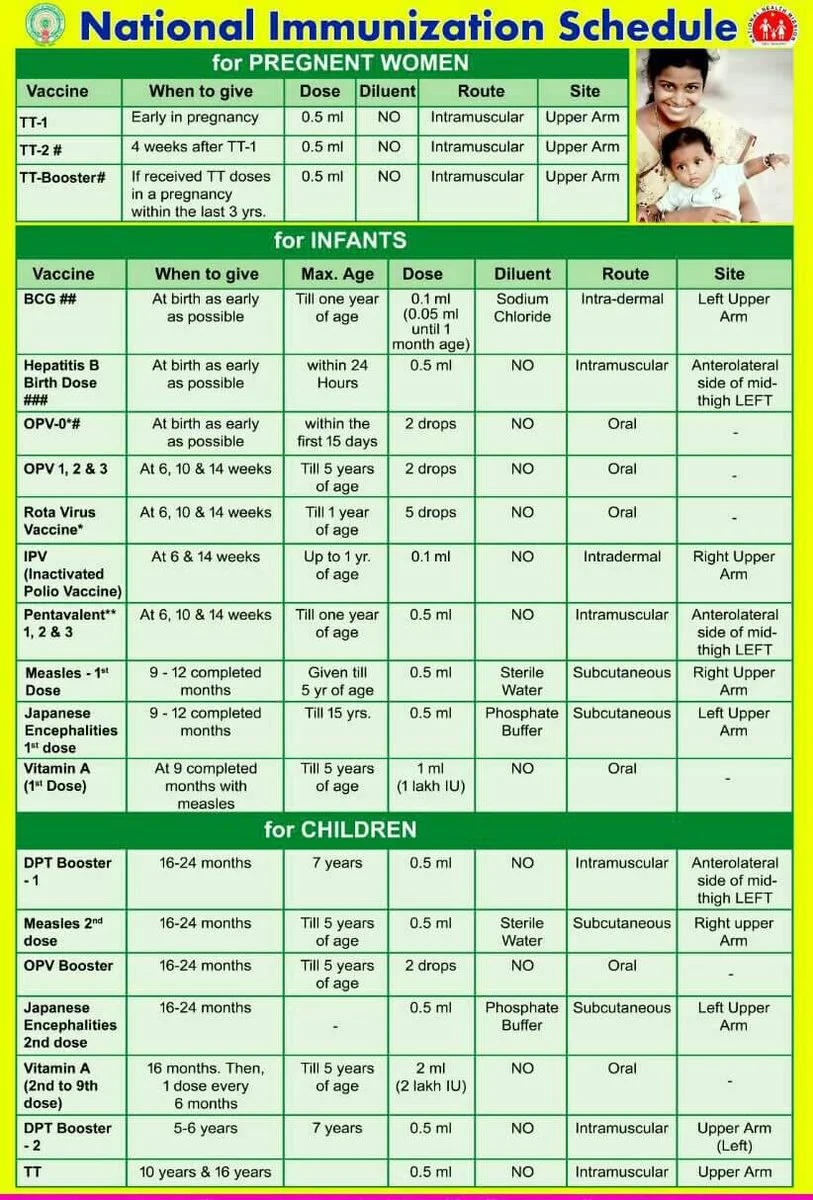
Immunization is one of the most important topics in Pediatrics. Whether you’re managing patients in the outpatient department, attending immunization clinics, presenting seminars, or preparing for examinations, the National Immunization Schedule is something you’ll use repeatedly throughout residency.
This session simplifies one of the most information-heavy topics by breaking it into easy-to-remember concepts and practical mnemonics. Instead of memorizing long vaccine schedules, you’ll understand why each vaccine is given, when it is administered, and how to remember it during exams.
What You’ll Learn
During residency, vaccine-related questions appear almost everywhere – case discussions, ward rounds, theory papers, viva examinations, and daily clinical practice.
This session builds a strong conceptual understanding instead of relying on rote learning. Once these concepts become clear, recalling vaccine schedules becomes significantly easier, helping you answer confidently during academics and while managing patients.
If immunization has always felt confusing, this session is the perfect place to build a solid foundation.
Learn to Think Like a Clinician
Reading textbooks builds knowledge, but real clinical cases teach you how to apply it.
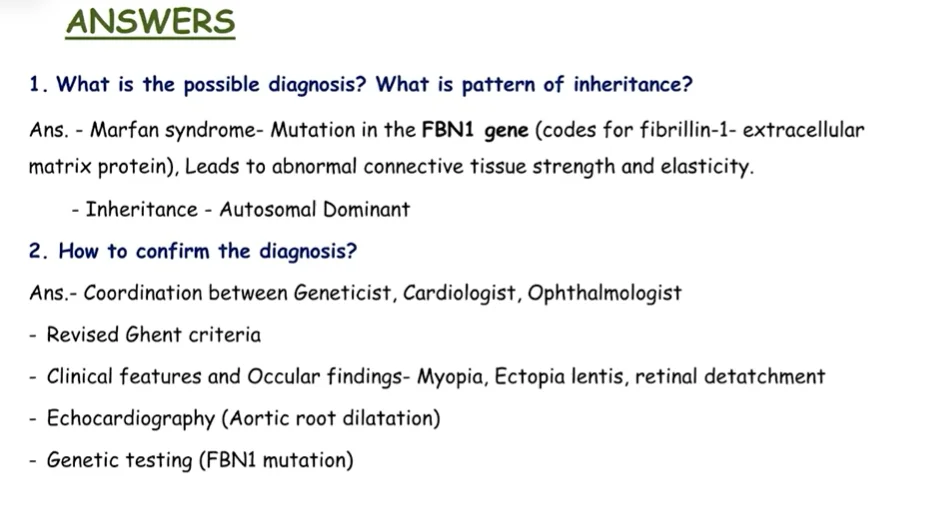
In this highly practical session, Dr. Sunil Gomber walks through a real pediatric case involving Marfan Syndrome and demonstrates a structured approach to diagnosis, differential diagnosis, investigations, complications, and management.
Instead of simply discussing facts, the session teaches you how experienced pediatricians analyze clinical problems step by step.
Why You Shouldn’t Miss This Session
Every Pediatrics resident faces one common challenge – knowing the theory but struggling to apply it during bedside discussions.
This session bridges that gap by helping you:
If you want to become more confident during clinical postings and improve your bedside thinking, this session deserves a place on your watchlist.
Master Vaccine Classification with the STARK-P Mnemonic
Understanding vaccine classification is the foundation of immunology and immunization. Yet many residents find it difficult to remember the different vaccine types and their examples.
This session introduces the STARK-P mnemonic-a simple and memorable way to classify vaccines while understanding the science behind each category.
Topics Covered
Why This Session Matters
Rather than memorizing isolated facts, you’ll understand:
These concepts are repeatedly tested during postgraduate examinations and are commonly discussed during academic sessions and ward postings.
Once you understand vaccine classification, interpreting immunization schedules and answering vaccine-based questions becomes much easier.
✔ Build a strong conceptual understanding of the National Immunization Schedule.
✔ Learn practical immunization concepts that are directly useful in residency and examinations.
✔ Improve your bedside clinical reasoning through structured case discussions.
✔ Master vaccine classification using easy-to-remember mnemonics.
✔ Strengthen concepts that frequently appear in ward rounds, seminars, case presentations, viva, and MD/DNB examinations.
In Summary:
June’s learning sessions focused on one of the most important pillars of Pediatrics – immunization and clinical reasoning.
Together, these sessions help residents move beyond memorization and develop the confidence to apply concepts in real clinical situations. Whether you’re beginning your residency or preparing for your final examinations, these sessions provide practical knowledge that stays with you long after the lecture ends.
Consistent concept-based learning is what transforms good residents into confident pediatricians.
These were just a few of the high-yield sessions featured on Conceptual Pediatrics.
The app includes comprehensive concept-based lectures, clinical case discussions, quick revision modules, image-based learning, exam-focused sessions, and much more – designed specifically for MD/DNB Pediatrics residents and practicing pediatricians.
Download the eConceptual app today and subscribe to Conceptual Pediatrics to access the complete library of structured, clinically relevant, and exam-oriented learning resources.
Keep learning. Keep revising. Keep growing.
Hello! How can we help you?